THE INJECTION
Liquid Sclerosant Treatment
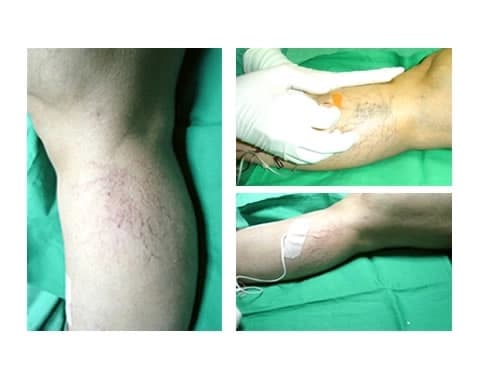
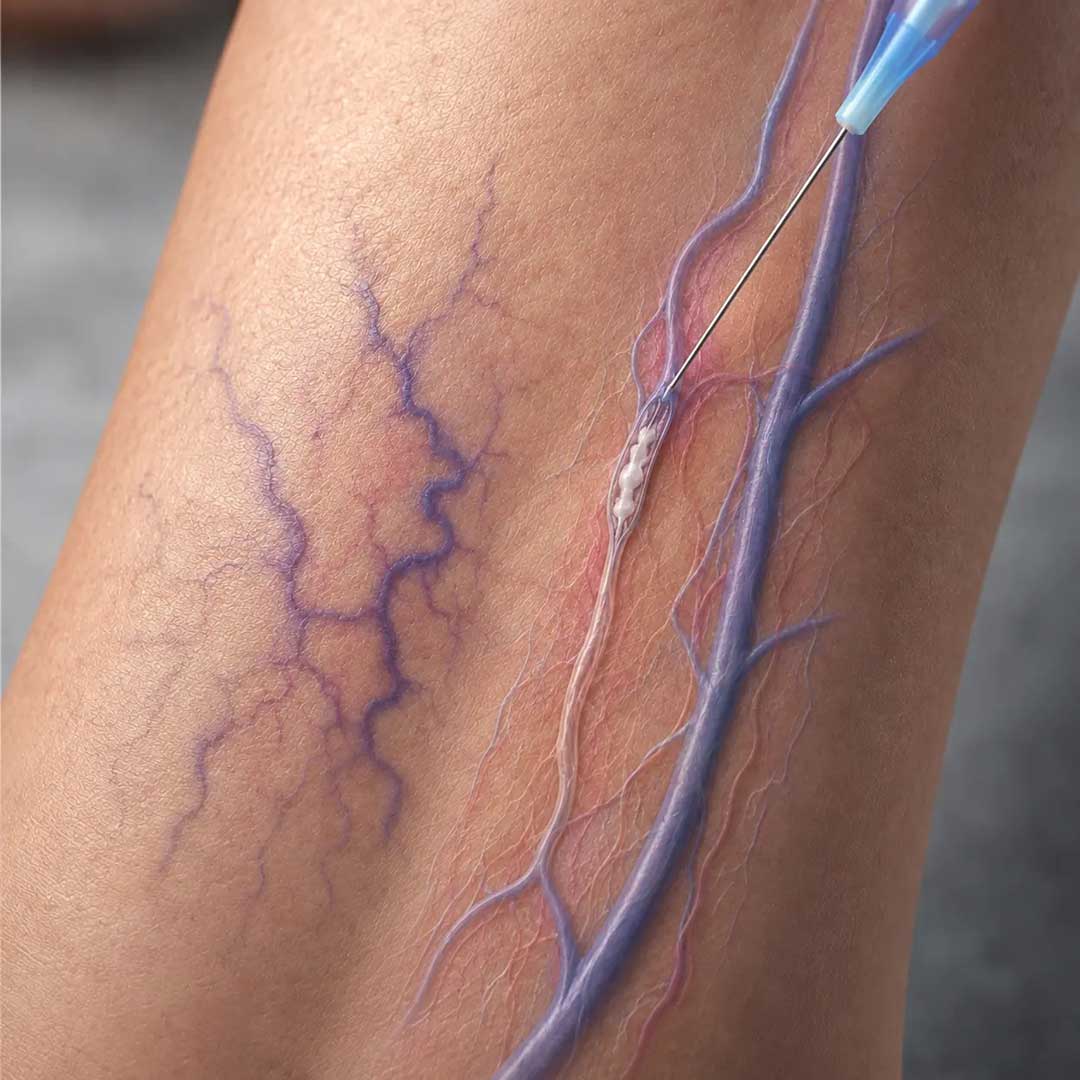
A specialized solution is carefully injected into the targeted spider Vein, initiating the process that causes the vessel to close and gradually fade.
 Minimally Invasive
Designed for affected veins
Sclerotherapy is a well-established, minimally invasive treatment used to reduce the appearance and symptoms of varicose and spider veins.
During the procedure, a specially formulated medicine is carefully injected into the targeted Vein. The medicine irritates the inner lining of the Vein, causing its walls to close and gradually seal together.
Once the treated Vein is closed, blood naturally redirects through healthier veins. Over time, the treated Vein is absorbed by the body and becomes progressively less visible.
Performed through a small injection without major surgical incisions.
Treatment is directed precisely toward the unwanted veins.
Most patients can return to their usual routine relatively quickly.
Sclerotherapy has been used for decades as an effective treatment for selected superficial veins. It can be used for spider veins as well as certain Varicose Veins, depending on their size, location and underlying venous condition.
Suitable for selected varicose and spider veins
No major surgical incision
Performed as a minimally invasive treatment
Convenient treatment with limited downtime
A simple, targeted and minimally invasive approach to treating selected spider, reticular and superficial veins with minimal disruption to your daily routine.
 Minimally Invasive
Precisely delivered into the targeted Vein
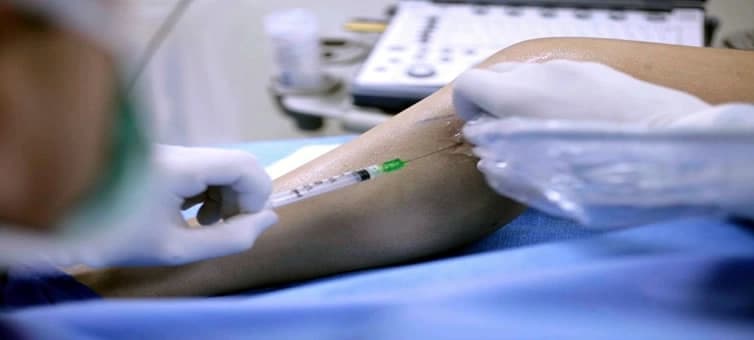
Liquid sclerotherapy involves carefully injecting a specialized chemical solution into the targeted Vein through a very fine needle.
The solution works on the inner lining of the Vein, encouraging the vessel to close. Blood can then naturally redirect through healthier veins while the treated vessel gradually becomes less visible.
Mild skin pigmentation can occur after treatment in some patients. Using an appropriate concentration of the sclerosing solution can help reduce this risk, although additional sessions may sometimes be needed. Liquid sclerotherapy is generally better suited to smaller superficial veins; larger veins may have a greater chance of reopening and may require a different treatment approach.
An advanced minimally invasive technique designed to treat selected larger Varicose Veins by delivering a sclerosant in the form of foam directly into the targeted vessel.
THE TECHNIQUE
Foam sclerotherapy uses a sclerosant solution that is transformed into a fine, stable foam by mixing it with a gas. The foam is then introduced into the Vein, often under ultrasound guidance, allowing the treatment to be directed precisely toward the affected vessel.
Because the foam remains in contact with the Vein wall for longer, it can provide effective exposure of the sclerosant and encourage the Vein to close.
A carefully controlled process helps the treatment reach the targeted Vein with precision.
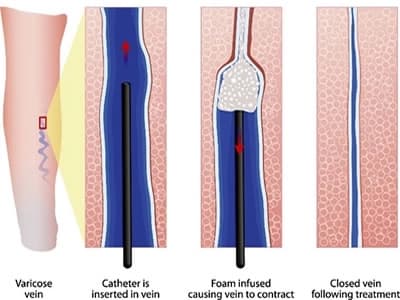
The treatment is carefully introduced into the targeted Vein using an appropriate technique.
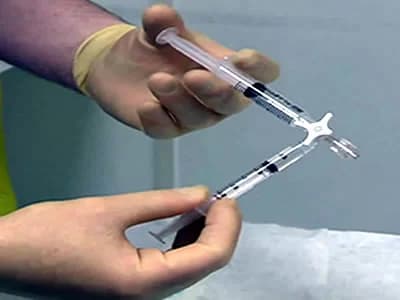
The sclerosant is prepared into a foam suitable for controlled delivery.
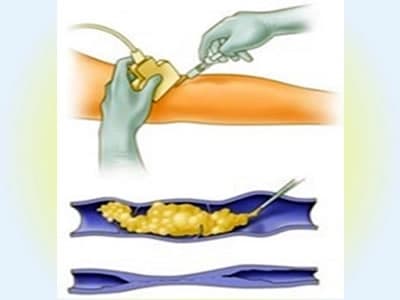
The foam is delivered directly into the targeted Vein to encourage Closure.
The foam remains in contact with the Vein wall for longer.
Provides greater exposure of the sclerosant to the targeted vessel.
Can be useful for selected larger superficial Varicose Veins.
Usually involves limited downtime when appropriately performed.
Foam sclerotherapy can be an effective option for selected patients, but treatment choice depends on Vein size, anatomy and the overall condition of the venous system.
Compared with treatments such as laser ablation or radiofrequency ablation, treated veins may have a greater chance of reopening. Some patients may therefore require additional treatment.
Foam sclerotherapy is not suitable for every type of varicose Vein. A vascular assessment helps determine whether foam treatment or another procedure is more appropriate for the individual Vein pattern.
If sclerosant enters deeper veins in significant amounts, there can be a risk of deep Vein thrombosis.
Temporary light-headedness or chest tightness may occasionally occur for a short period.
Rarely, certain sclerosants can cause skin injury if they are inadvertently injected into surrounding tissue or a small artery.
Spider veins can often be treated with minimally invasive sclerotherapy. A carefully selected liquid sclerosant is injected into the targeted Vein, encouraging it to close and gradually become less visible.
A specialized solution such as Polidocanol may be injected directly into the selected spider Vein using a very fine needle.
The sclerosant acts on the inner lining of the vessel, causing the Vein to close. Over time, the treated vessel is naturally broken down and becomes progressively less visible.
Treatment is selected according to the size, location and appearance of the veins.
A specialized solution is carefully injected into the targeted spider Vein, initiating the process that causes the vessel to close and gradually fade.
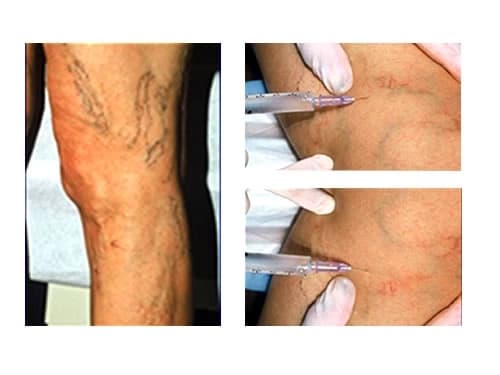
The sclerosant affects the inner lining of the Vein, triggering a controlled healing response that leads to fibrosis and eventual Closure.
Sclerotherapy can provide an effective option for appropriately selected spider veins while avoiding major surgery and usually requiring little interruption to everyday activities.
Every Vein condition is different. At Doctor House Cardiovascular Center, treatment is planned after careful evaluation so that the selected technique matches the patient's individual Vein pattern, symptoms and clinical needs.
Thorough evaluation before treatment
Procedure selected according to Vein anatomy
Combination of techniques when clinically required
Focus on safe and sustainable treatment outcomes
Clinical results can vary between patients. These cases illustrate the type of improvement that may be achieved following appropriately selected treatment.
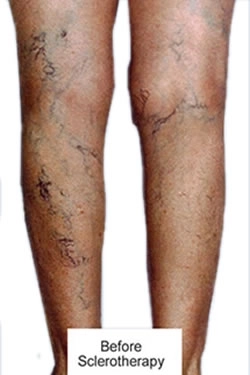 Before
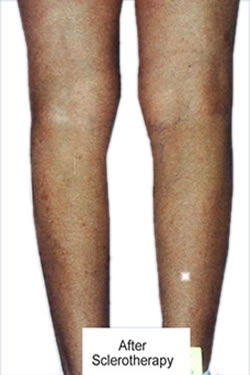 After
After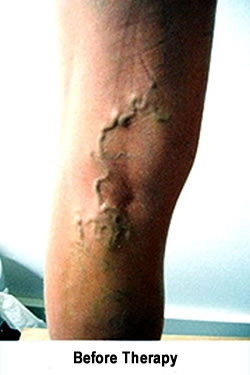 Before
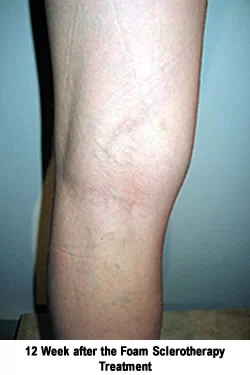 After
AfterWith over 30+ years of experience in vascular disease management and more than 23 years of specialised experience in endovenous Vein treatments, Dr. Shoaib Padaria has extensive experience in modern varicose Vein care.
The first documented Endovenous Laser treatment for Varicose Veins was performed by him at Jaslok Hospital on 6th January 2003. Since then, he has completed more than 25,000 procedures.
He also contributes to professional education through teaching courses and workshops at national and international levels.